by Thomas | Sep 15, 2022 | Equine Health, News
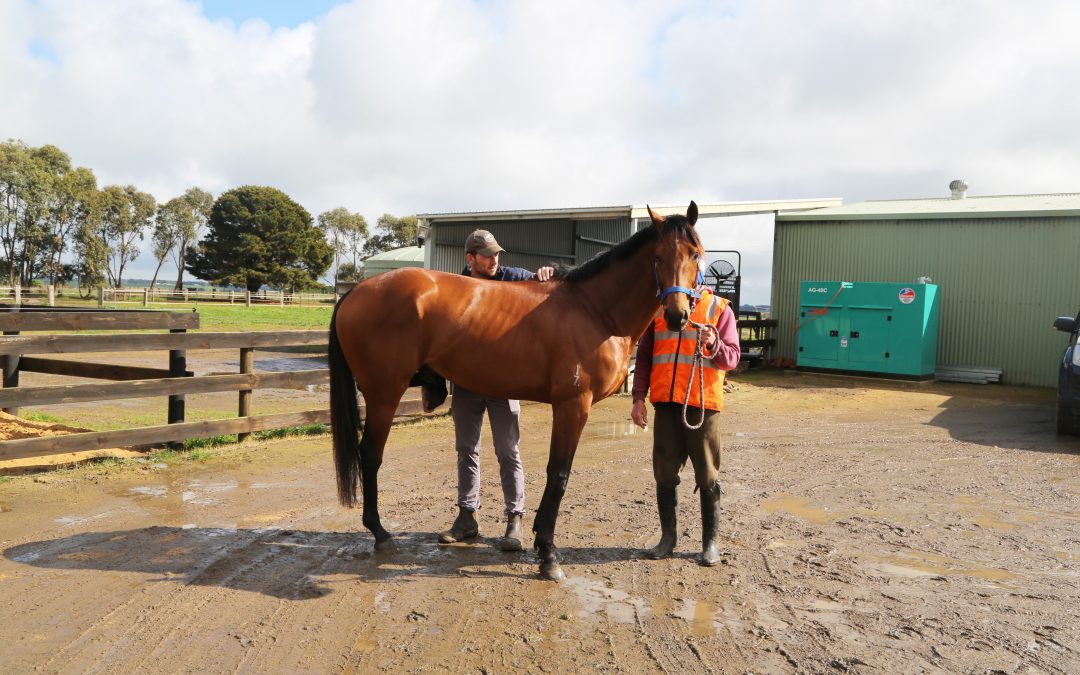
Back pain is a common complaint we see in our practice. This problem, although typically associated with performance horses, is becoming more prevalent or perhaps more readily identified by our racing clients also. Back pain, and in particular kissing spine is a...
by Thomas | Sep 15, 2022 | Equine Health, News
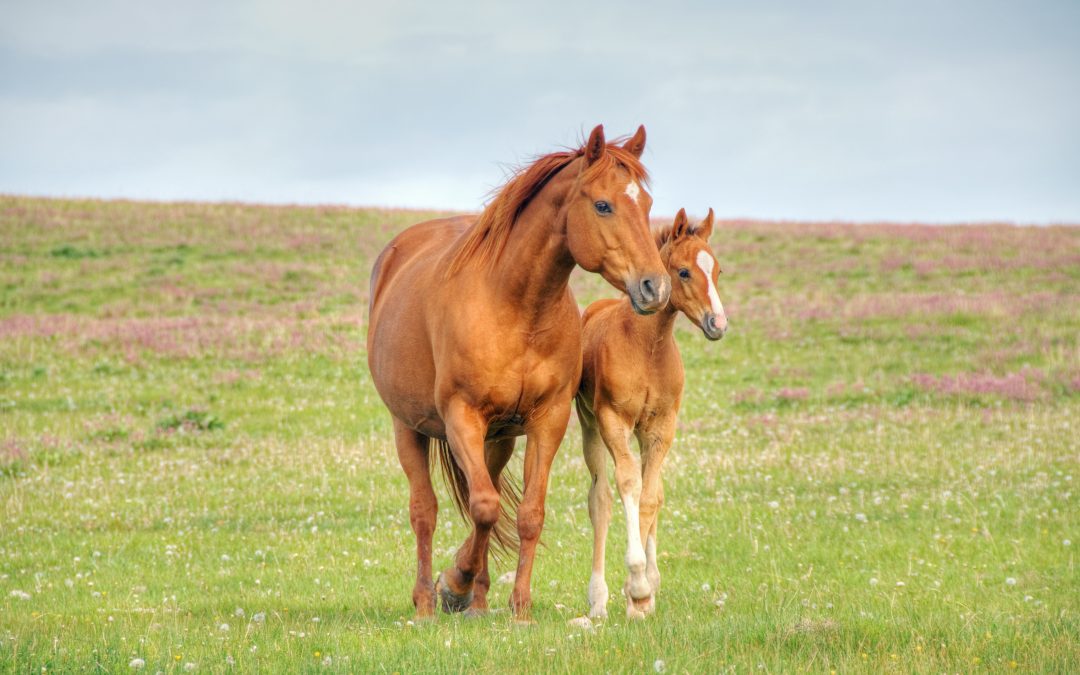
Newborn foal health checks are a crucial in the first 24hrs. Neonatal foals can deteriorate quickly if certain issues go undetected such as meconium impaction, septicaemia and failure of passive transfer. A neonatal foal check will include the following: 1. Thorough...
by Thomas | Sep 15, 2022 | Equine Health, News
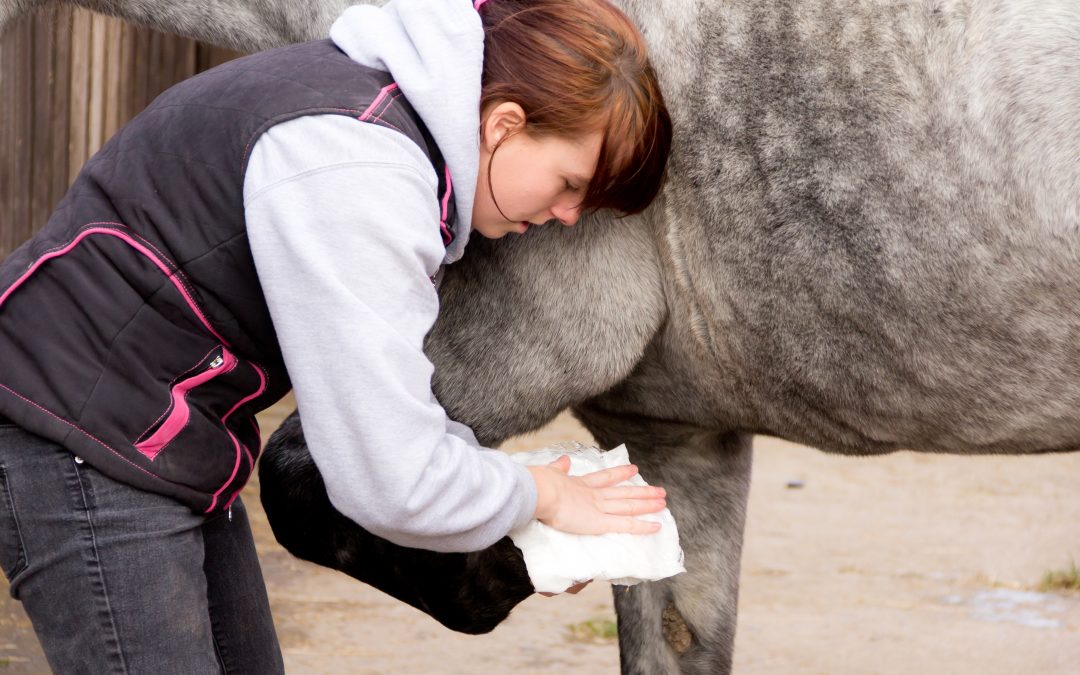
While its impossible to be prepared for every eventuality for horses injuring themselves, a well stocked first aid kit is the first step to providing emergency first aid. We recommend having two first aid kits – one at your stables/home and one for travel. Use the...
by Thomas | May 30, 2022 | Equine Health
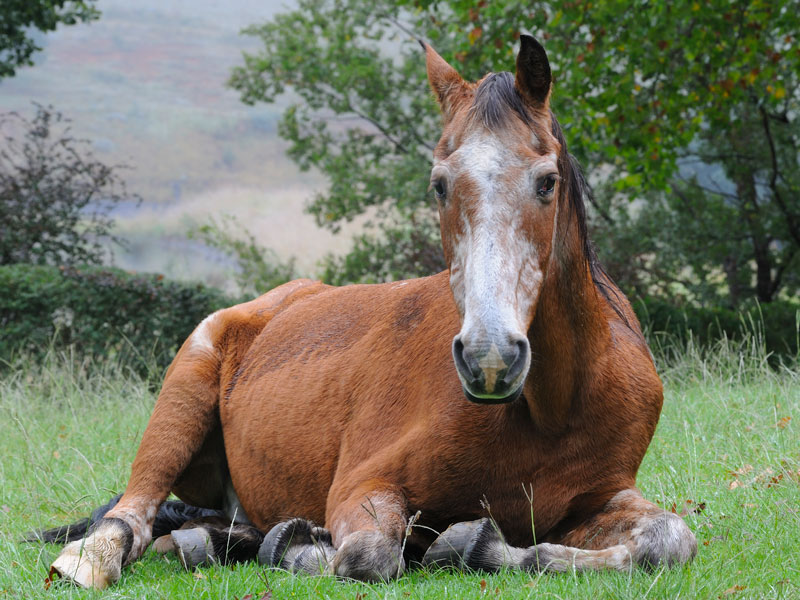
Coming into winter its important to consider the old horses in our paddocks and what we can do to ensure that they are in their best health before the cold weather hits. In general, special care needs to be given to nutrition, dental care and annual health checks....

by Thomas | May 30, 2022 | Equine Health, Uncategorised
Equine Odontoclastic Tooth Resorption and Hypercementosis (EOTRH) is a painful dental disorder affecting the incisor and canine teeth, that is commonly seen in our older horses (>15yrs). This is a progressive disease that is, unfortunately often missed until...
by Thomas | May 30, 2022 | Equine Health
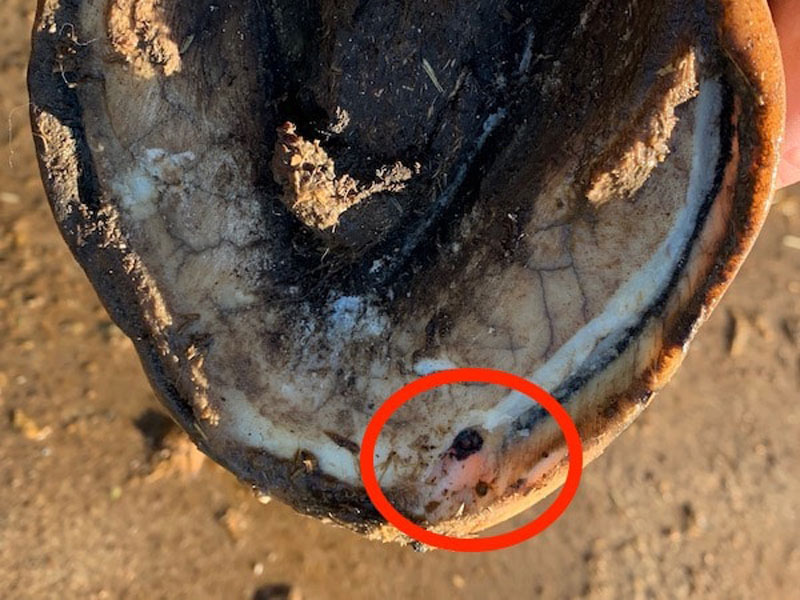
An abscess within the hoof is one of the most common causes of sudden, severe lameness in the horse. It is an infection in the sensitive tissue of the hoof, which develops into a pocket of purulent material (pus) within the hoof capsule. Whilst the volume of pus is...