
Staff News
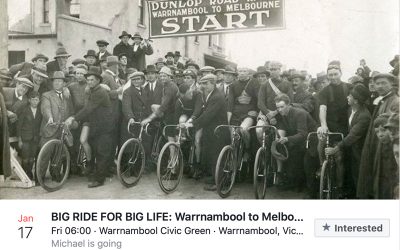
Big Ride for Big Life Michael Wraight, who is one of the senior staff here at Southwest Equine, is off doing his bit for Big Life! There is Big Ride for Big Life, to be held on January 17, 2020, when he will be riding from Warrnambool to Melbourne re-tracing the...
Australian Stringhalt
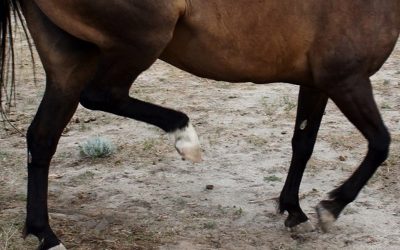
Stringhalt is a neurological disorder whereby the horse exhibits involuntary, exaggerated flexion of the hock. Australian Stringhalt is one of three different forms of stringhalt that have been documented in horses. It is caused by grazing pastures which contain...
Case Report – Equine Urolithiasis
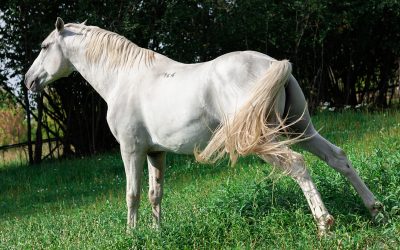
Case of the Month Casper is a 14-year-old Arabian X that was purchased recently as a pleasure horse. The owner had not had him long when she noticed blood in his urine. Casper was in poor condition at the time of purchase, and the owner was having difficulty getting...
Equine Exertional Rhabdomyolytis (Tying-Up)
Exertional rhabdomyolysis (ER or Tying-up) refers to the syndrome of muscle cramping that most often occurs during or after physical exertion or exercise. The underlying causes of this syndrome is not known specifically, but often horses are either categorized as...
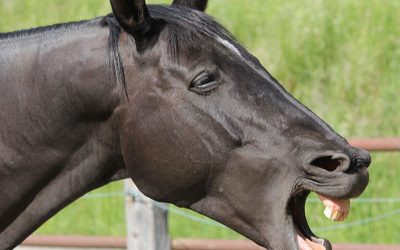
Oesophageal Obstruction (Choke)
What is Choke? Choke is a relatively common condition that occurs when food or a foreign body blocks the horse's oesophagus, which is the tube that takes food from the back of the mouth (pharynx) to the stomach. Choke may be partial or complete and may occur high up...
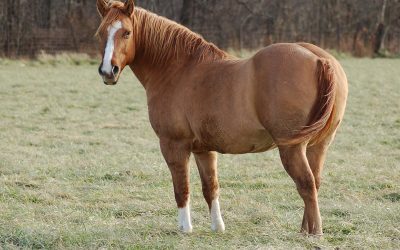
Equine Metabolic Syndrome
Equine Metabolic Syndrome is an endocrinopathy (hormone related disease) that affects horses, ponies and donkeys. It is characterised by 3 main features; Obesity, and/or regional adiposity (fat deposits in certain areas, ie. the crest), Insulin resistance, and...